




An Overall Perspective
It is always of utmost importance to consider the economic aspects of a facility, especially in this case, pump stations.
It is increasingly observed that cost-effectiveness is often equated solely with energy consumption (for wastewater conveyance), which, of course, is incorrect, even from a linguistic perspective.
While energy consumption is part of assessing cost-effectiveness, it is not everything:
- The investment costs for the system play a role, including the necessary structure for the station. Even if the investment is partially subsidized and comes from a different budget title, at least a portion must be accounted for.
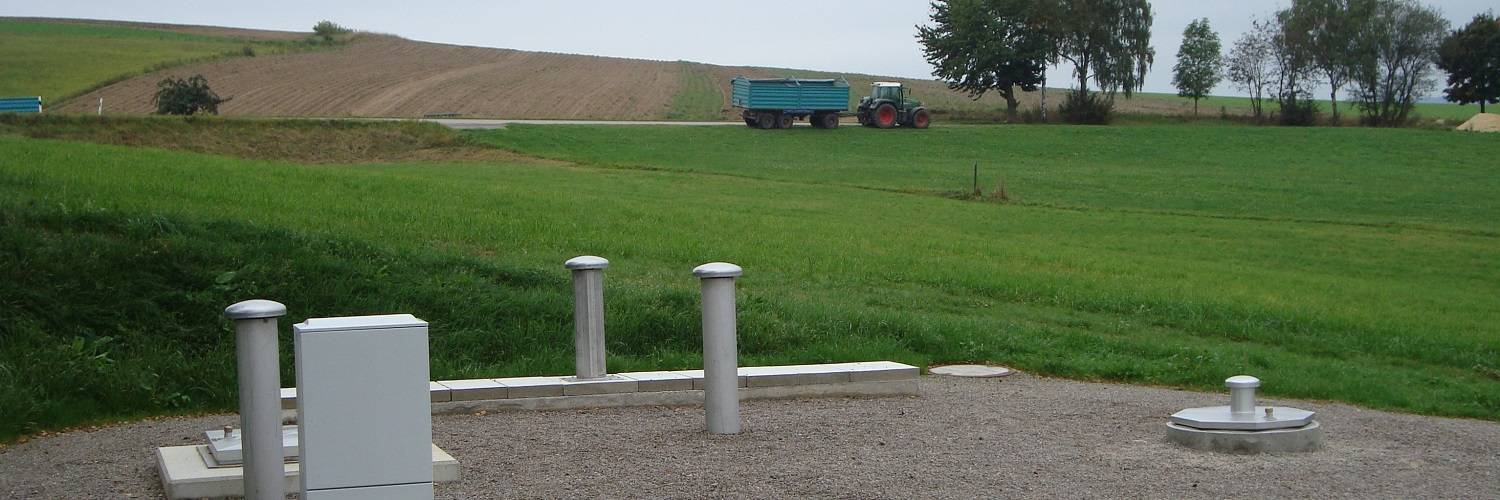
- This also includes the costs for installing the pressure pipeline, which are relatively cost-effective for OEKERMANN’s pneumatic systems. The pressure lines run parallel to the ground level with frost-free coverage.
- Excessive depths are avoided, high points are not vented, and low point drainage shafts are not required.
In addition to investment costs, service life and depreciation period are of great importance. While pumps are generally expected to have a lifespan of less than 10 years, the depreciation period according to the AfA tables valid for industrial plants is at least 15 years. Some of OEKERMANN’s pneumatic wastewater pumping stations have now been in operation for over 35 years.
Even more important are the maintenance costs or susceptibility to repairs: as mentioned above, in OEKERMANN systems, wastewater does not come into contact with moving mechanical parts. Compressed air serves as the driving element. Therefore, abrasive wear caused by wastewater is almost non-existent.
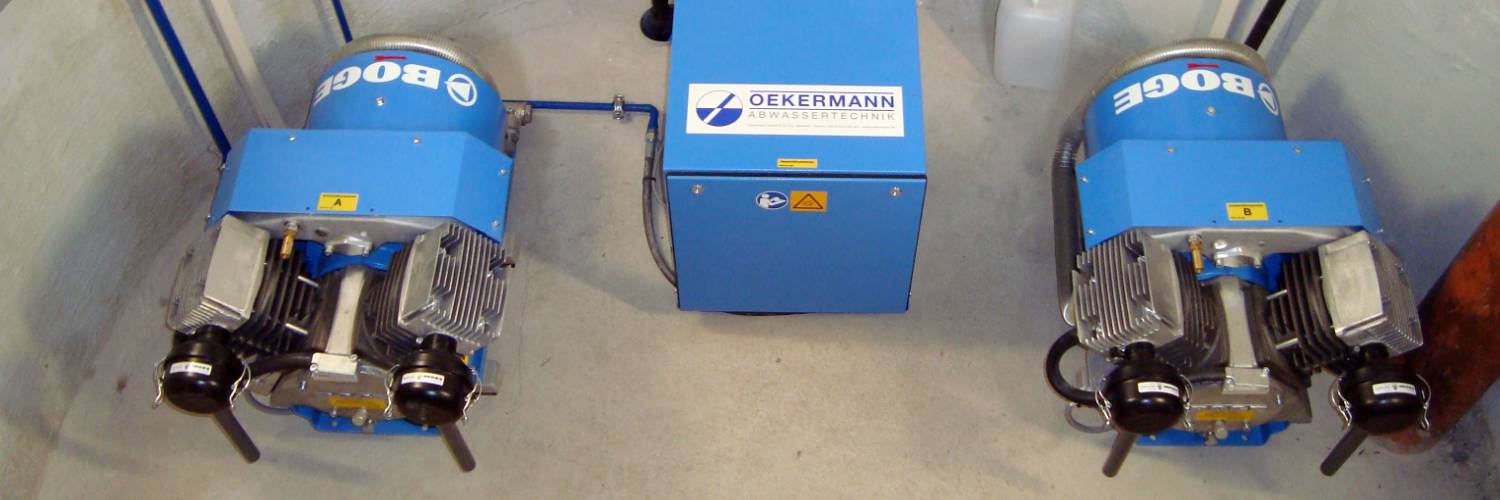
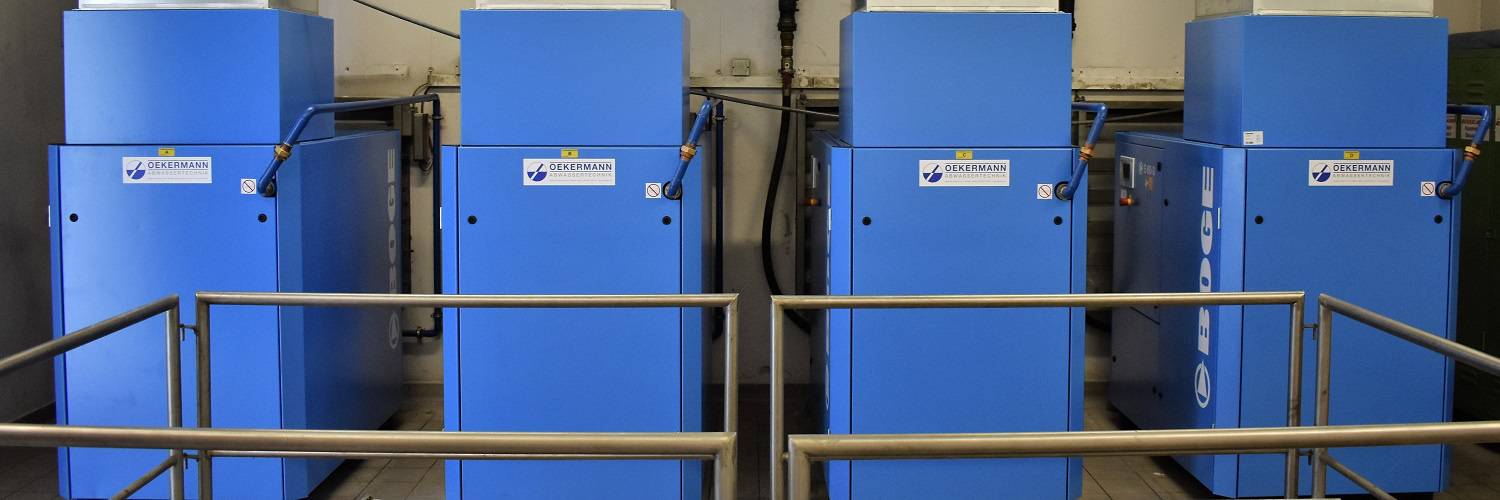
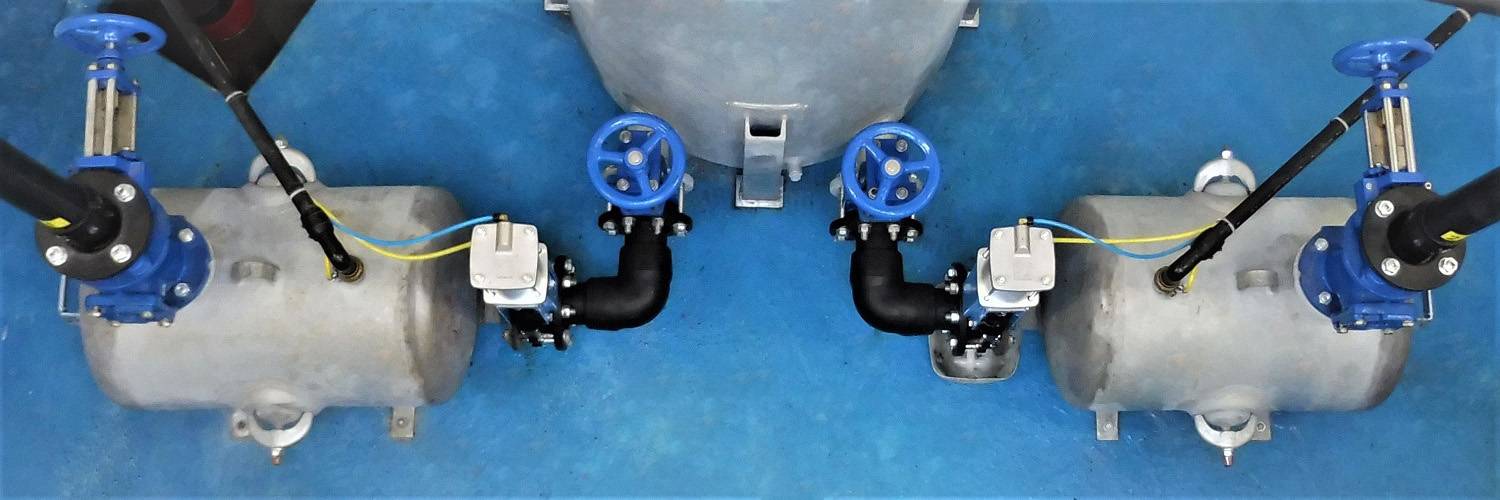
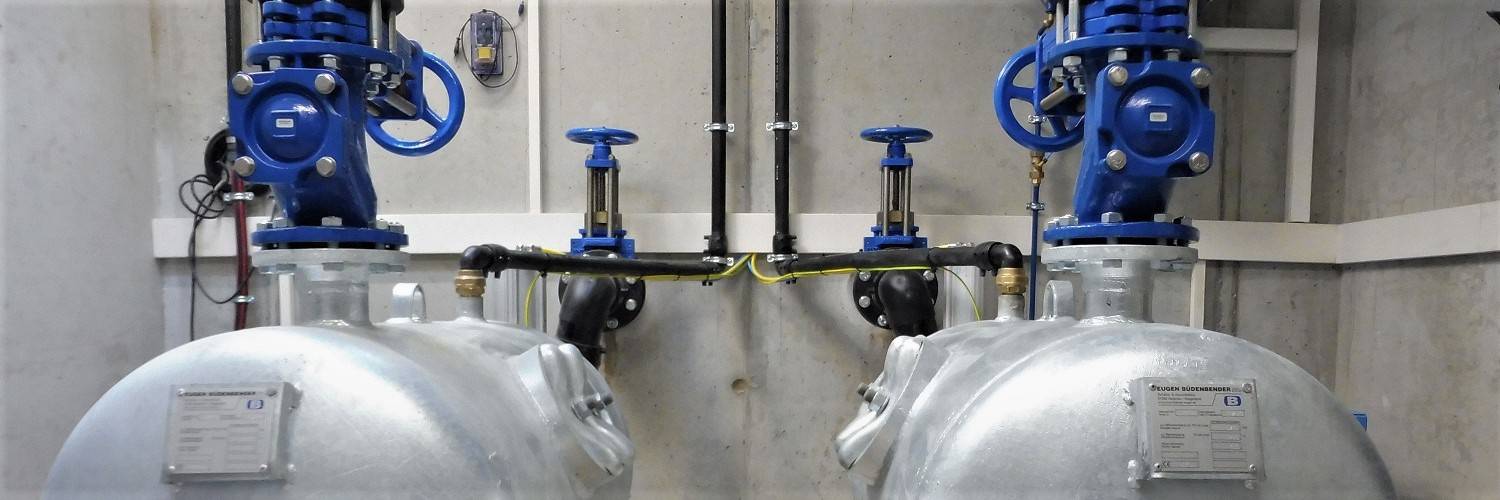
Only the gate plates of the inlet-side compressed air valves (made of stainless steel) and the rubber-coated balls of the check valves on the pressure side come into contact with wastewater. All other parts, such as pneumatic or electromagnetic valves, compressors, control system, etc., operate as in any compressed air station in an industrial plant. OEKERMANN always uses only the current industry standard when selecting these products.
Handyman or DIY compressors, for example, are not found in any OEKERMANN system. After all, the systems, which must operate unattended and without daily lubrication services or similar for long periods, must also be able to withstand continuous operation.
In addition to normal fluctuations in running times due to varying wastewater volumes, seasonal temperature fluctuations and other external influences (for example, a rapeseed field = pollen next to the pumping station) must also be tolerated.
In other words and to summarize: what good is low power consumption if the susceptibility to repairs consumes any potential energy cost savings?