




Fresh Wastewater Transport
The wastewater is always delivered to the treatment plant in a fresh state using OEKERMANN pneumatic wastewater conveying systems.
Even in the pumping station area, finely tuned system components ensure short retention times. The conveying process is started and the wastewater is pumped out in time, before the putrefaction process can begin or deposits could form.
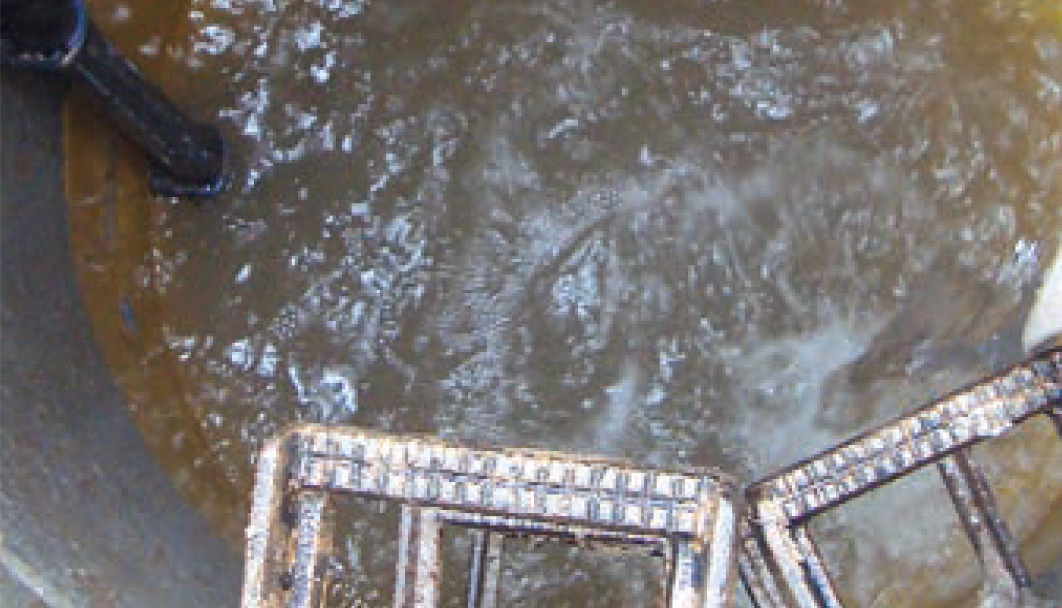
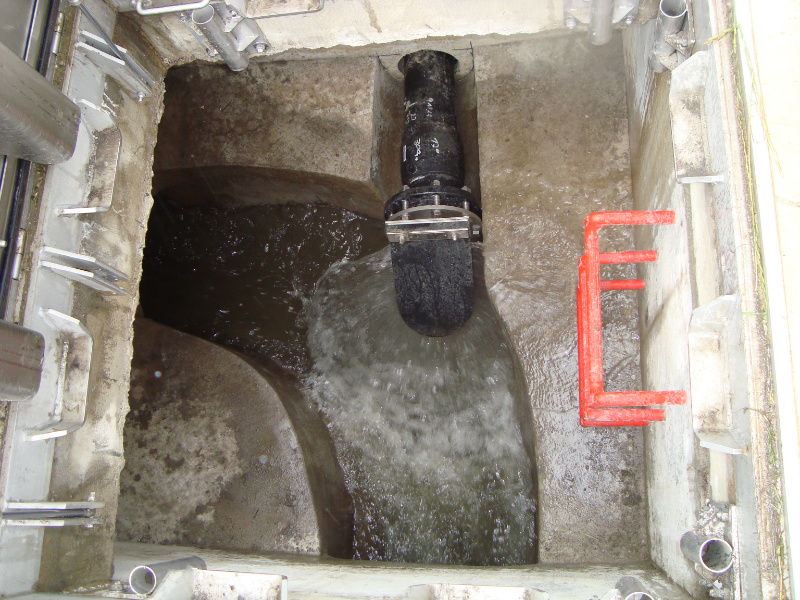
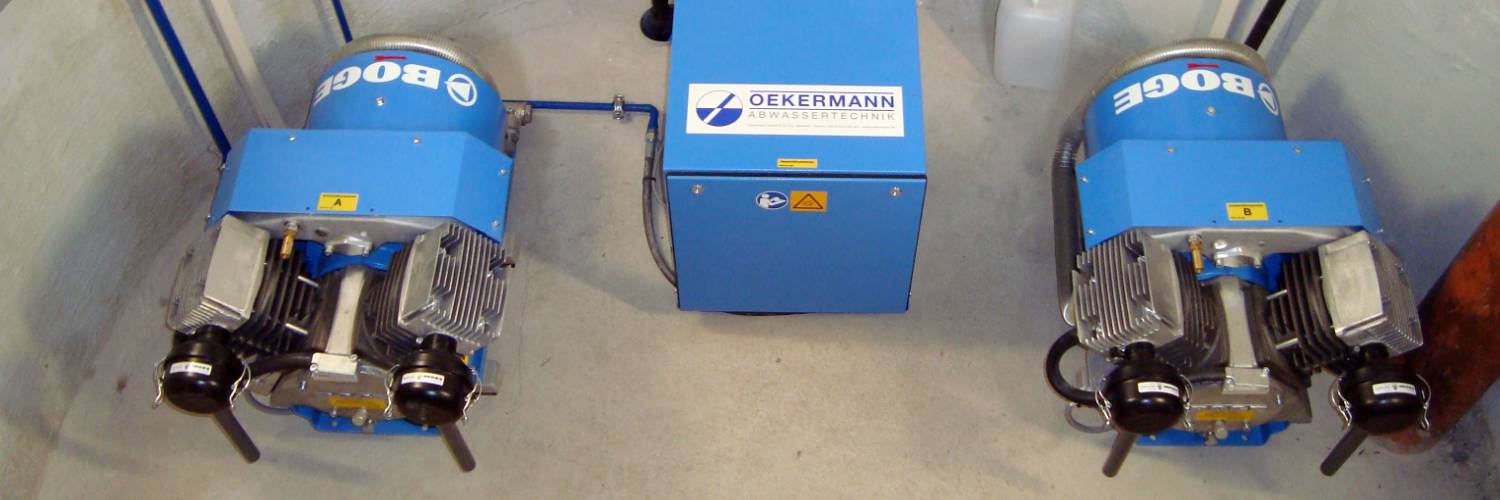
The wastewater collection shaft is intensively charged with compressed air or mixed with air-oxygen during each conveying process. At the end of each conveying phase, the preliminary shaft is completely emptied; there are no residues that could remain there until the next emptying process or floating materials that are not conveyed.
Therefore, OEKERMANN systems are particularly suitable for cases where there is only a low or fluctuating wastewater inflow.
No Odor Nuisance
Furthermore, during the conveying process, the wastewater is permanently mixed with air. Putrefaction formation in the pressure pipeline with the consequential effects of odor at the outlet or impairment of the treatability of the wastewater, as well as hydrogen sulfide corrosion on concrete and iron/steel constructions, are prevented.
Thus, the advantages of pneumatic wastewater conveying are always fully effective even with strongly fluctuating wastewater volumes, caused by daily or seasonal variations.
Periods with low wastewater inflow, during longer dry periods, due to daily or seasonal conditions, are recognized by the system and the plants then operate accordingly. Periodically, the pressure pipelines are charged with compressed air (“post-blowing process”): usually during the low-inflow night hours, but also depending on operating time. These post-blowing processes ensure that the pressure pipelines do not clog and no adhesions (sewer skin) form.
Odor nuisances for residents and operating personnel do not occur.
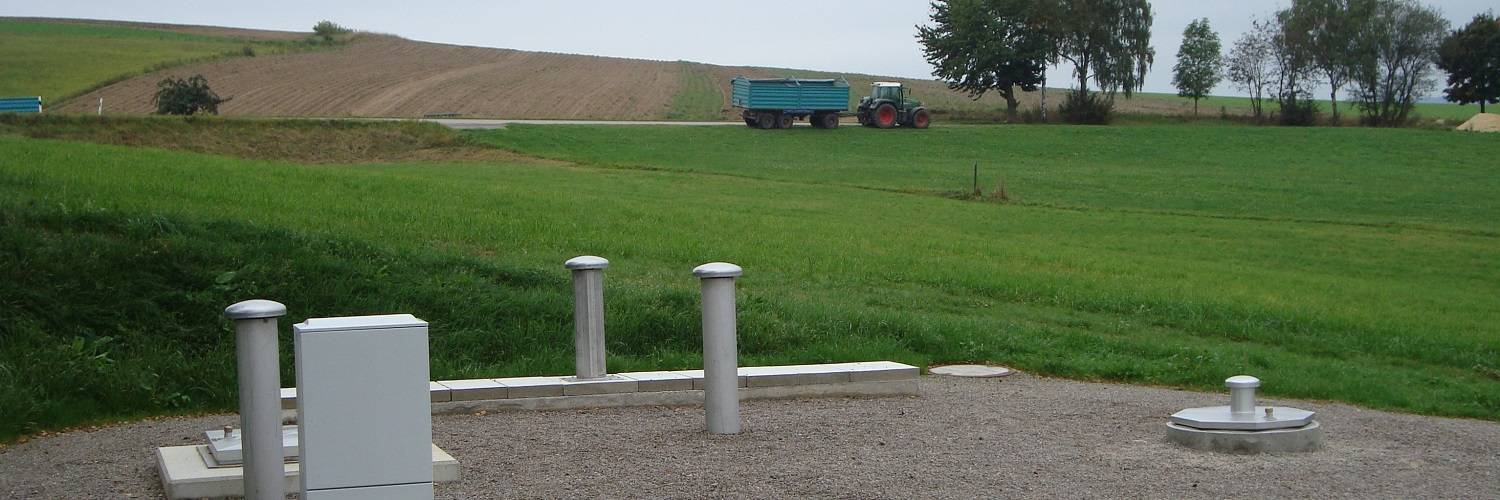
The pressure pipelines are laid at frost-free depth, mostly parallel to the top edge of the terrain and with high/low point areas. These high and low points support the overall effect of the system in terms of preventing putrefaction formation and deposits.