



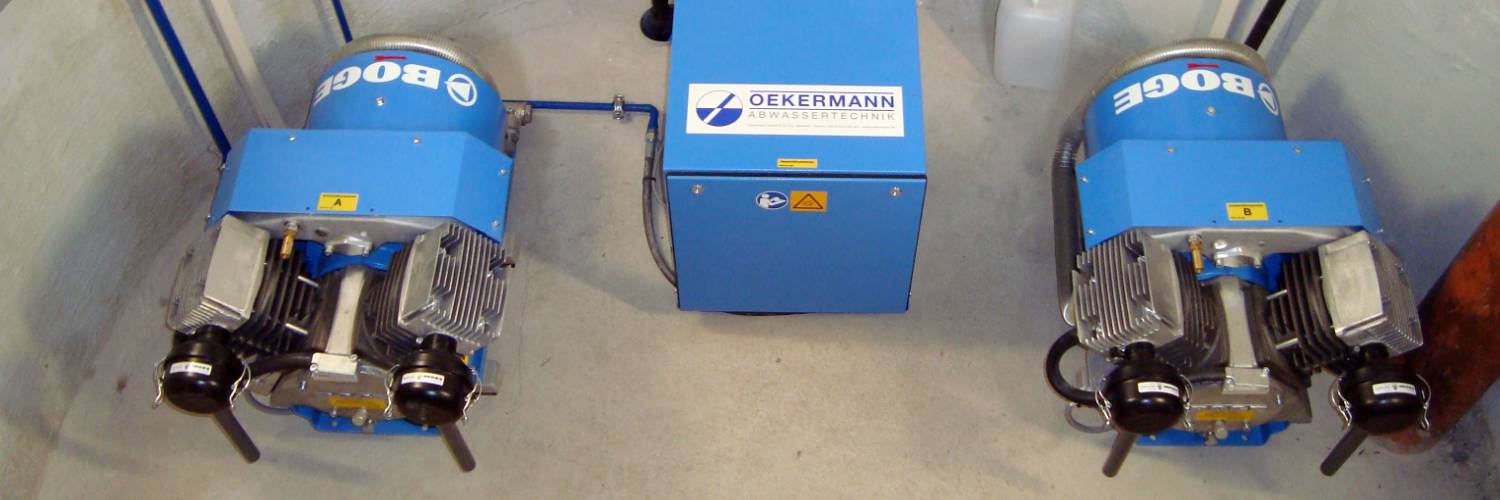
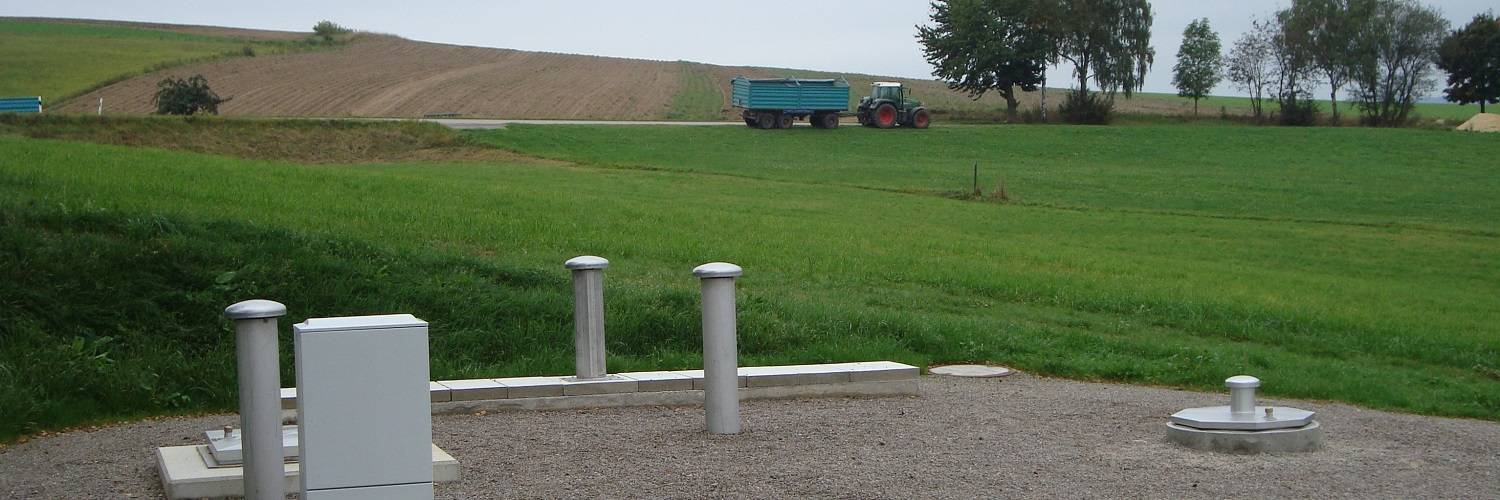

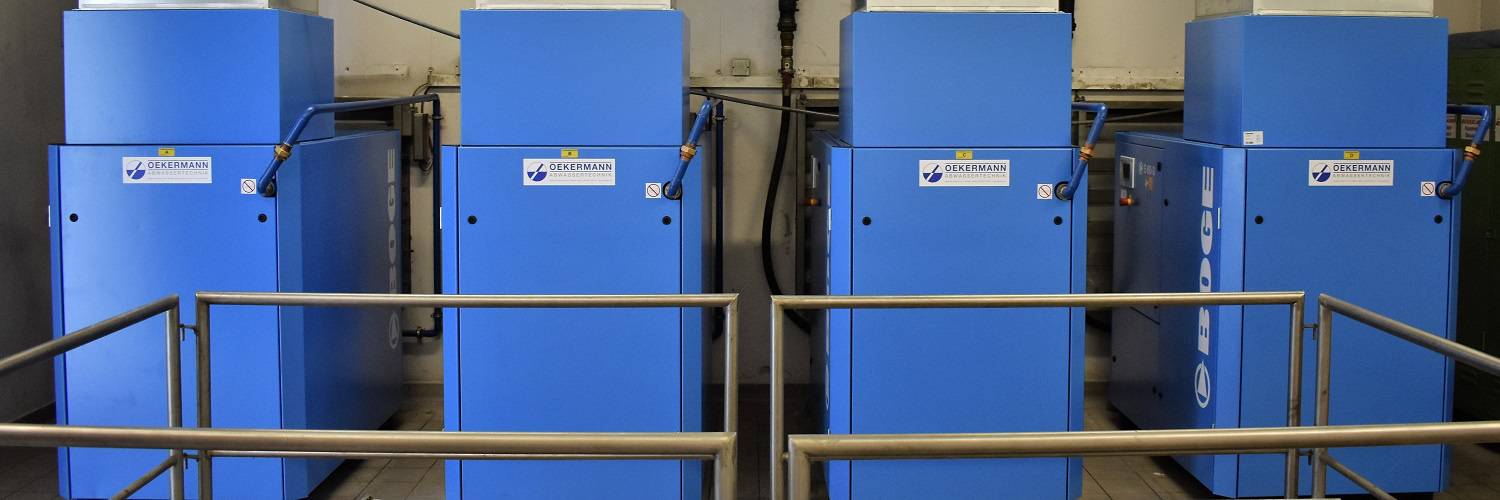
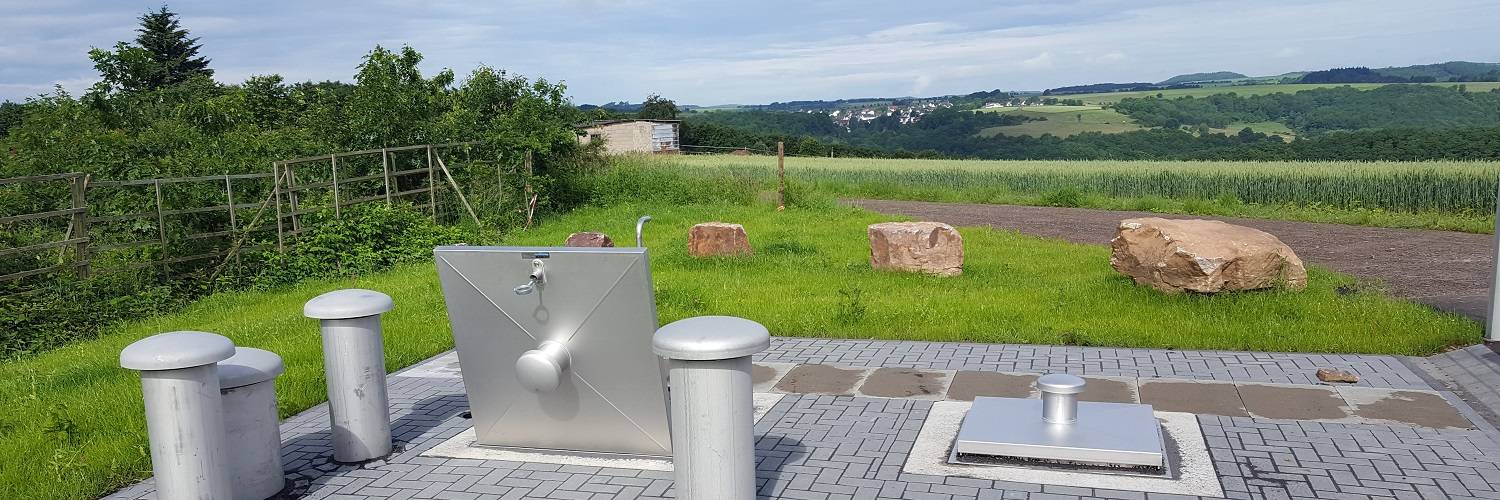
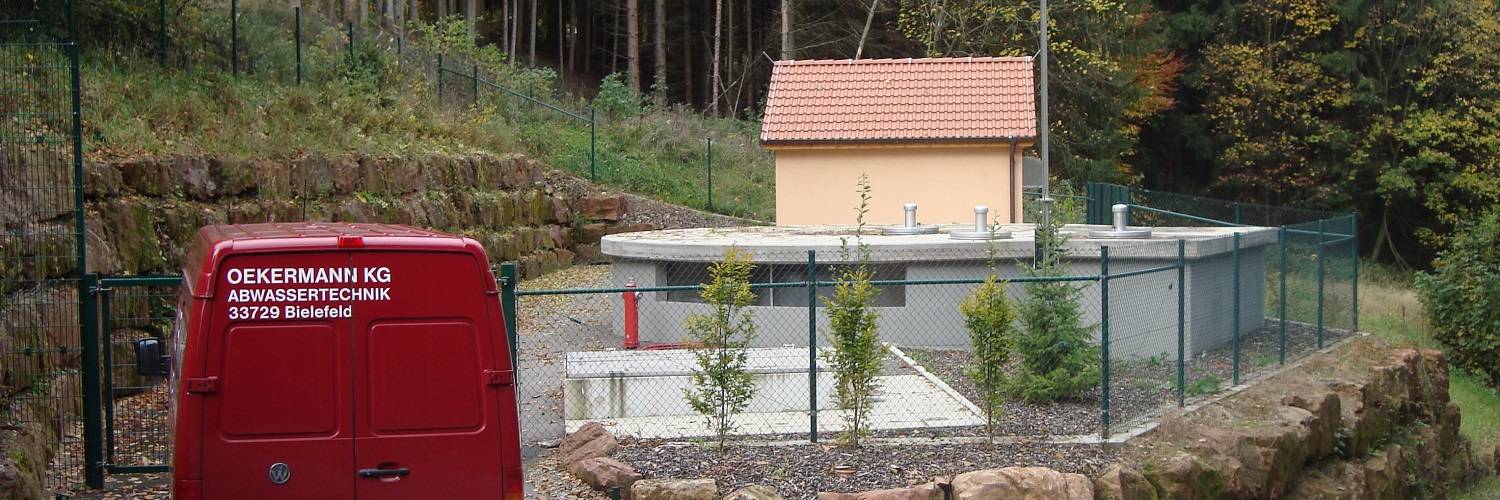
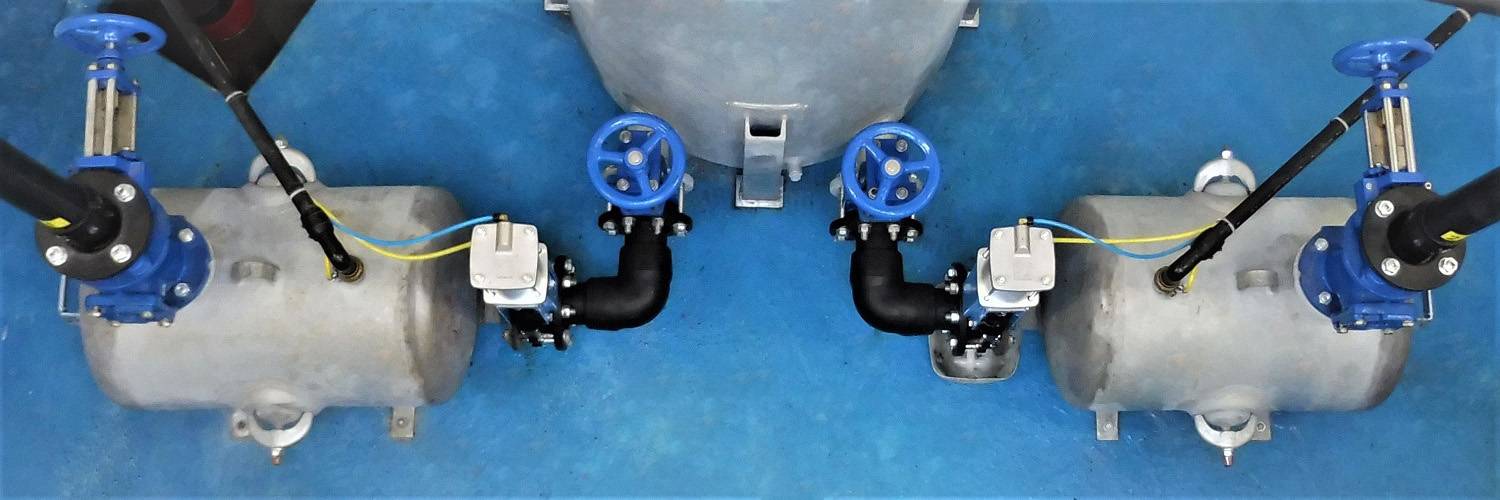
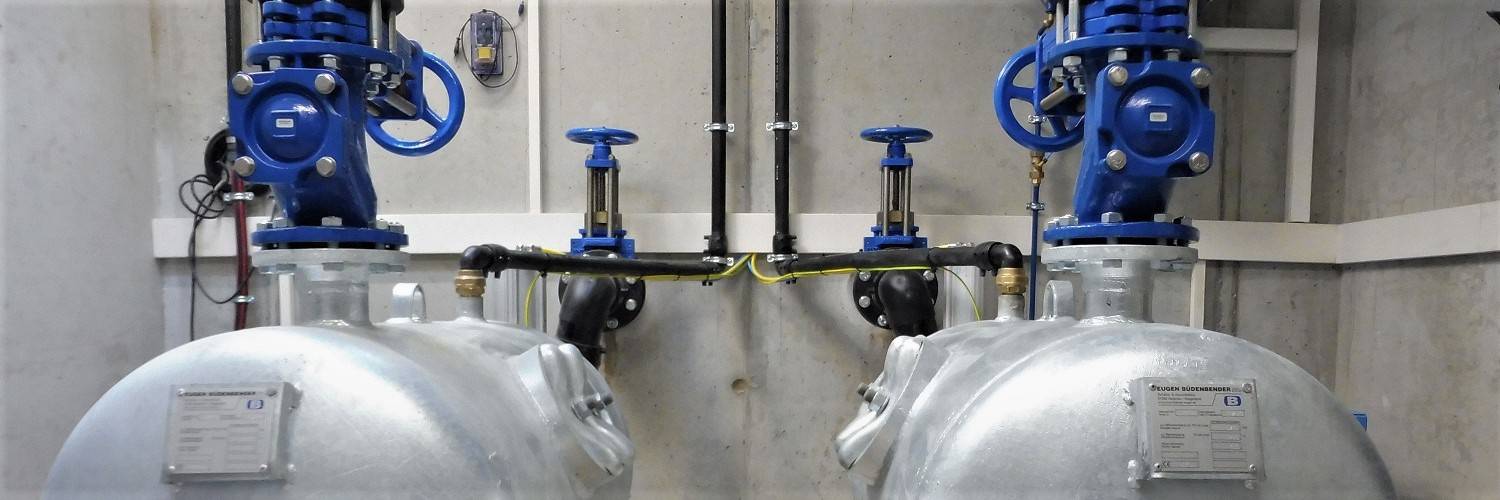
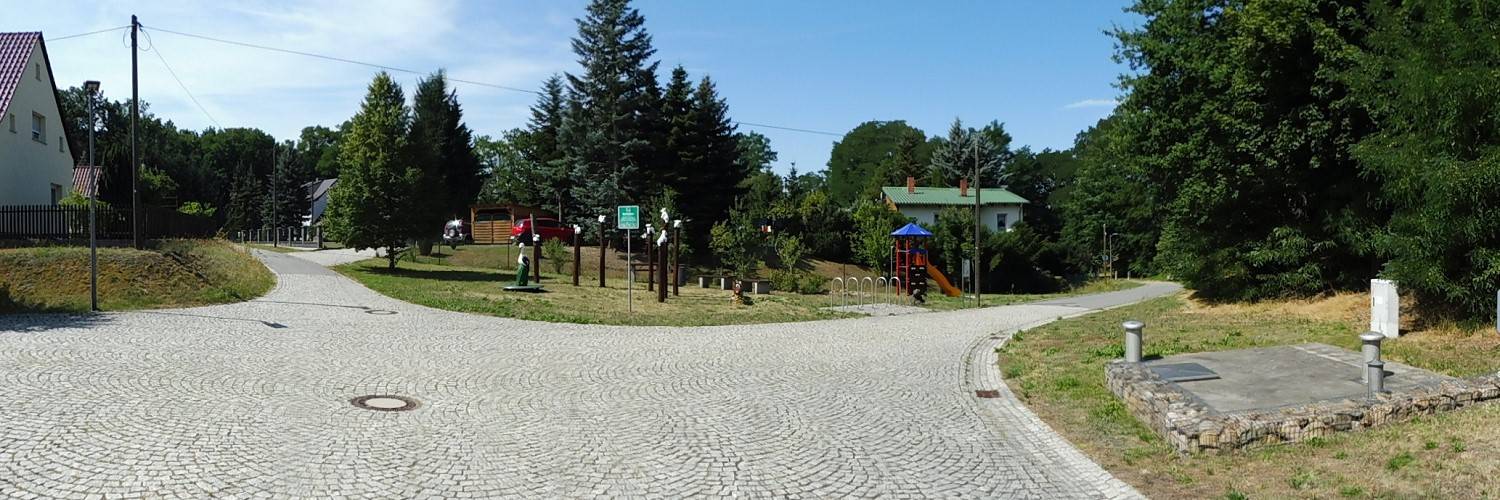

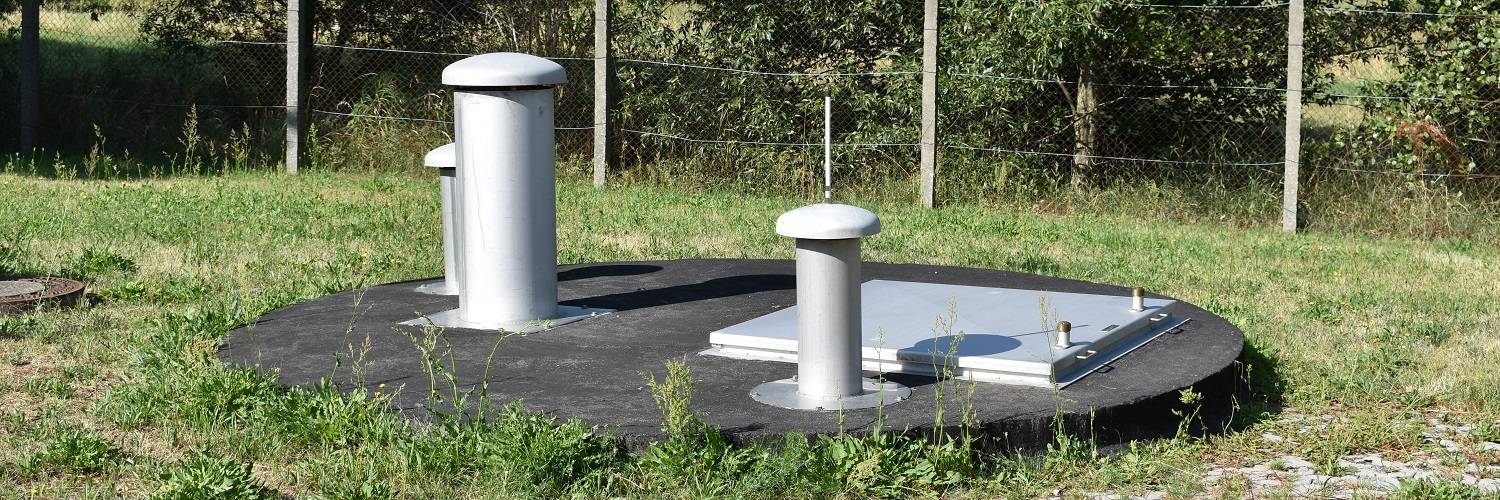
Pneumatic wastewater pumping systems by OEKERMANN are particularly characterized by the absence of odor nuisances, both at the pumping station site itself and at the transfer shaft.
When wastewater ‘stagnates’ in (pressure) pipelines, shafts, or (gravity) sewers for extended periods without oxygen supply, a so-called ‘putrefaction process’ occurs.
This means that the already unpleasantly smelling wastewater begins to rot or decompose, which can lead to the following negative phenomena:
- Odor nuisances (hydrogen sulfide smells foul, like ‘rotten eggs’) for residents and operating personnel (e.g., sewage treatment plant operators and other municipal workers)
- At certain concentrations, it can even lead to health impairments (hydrogen sulfide is toxic), e.g., irritation of the mucous membranes of the eyes, nose, and throat. Additionally, headaches, breathing difficulties, nausea, numbing of olfactory receptors, and even fluid accumulation in the lungs can occur.
- Destruction of red blood cells (hemoglobin)
- In extreme cases, high concentrations can lead to respiratory distress or even death.
- Furthermore, damage to the central and possibly peripheral nervous system can occur.
- Corrosion damage develops on concrete structures and steel components.
It’s not only the quality of life that we unnecessarily forfeit, but municipal workers who have to work in such facilities may also suffer health impairments.
Details on the Putrefaction Process of Wastewater
From a chemical and biological perspective, the following briefly describes what happens during the putrefaction process of wastewater in pipelines and shafts:
- Through chemical and microbiological processes, the oxygen present in the wastewater is consumed. This results in a so-called ‘anaerobic’ state.
- Additionally, a so-called ‘sewer film’ forms, which harbors a flora of various bacteria.
- Sulfate-reducing bacteria present in the wastewater multiply. These bacteria chemically reduce sulfate to sulfide. The resulting sulfides are hydrogen sulfide and organic polysulfides. The bacteria require the energy released during this process to survive.
- Thiobacteria or thiobacilli now form in the hydrogen sulfide gas released from the wastewater. These thiobacilli chemically transform hydrogen sulfide into sulfuric acid. The resulting sulfuric acid, in turn, causes corrosion to structures.
For further details on these chemical and biological processes, please refer to university-level literature, and for health-related and potentially life-threatening impairments, consult relevant studies.
The solution to the mentioned problems:
Often, these hydrogen sulfide and sulfuric acid hazards can be completely prevented through OEKERMANN’s pneumatic conveyance technology. Please refer to the other articles on this website and brochures in the ‘Downloads’ section. Our experts are also available to advise you by phone at +49 (0)521 329 383 – 0 or in person by appointment.